Cebiche, the sexy star of Peruvian cuisine was last modified: April 23rd, 2018 by Morena Cuadra
Cebiche, the sexy star of Peruvian cuisine
Share
Lime-marinated raw fish.
Every coastal country has its own version of this dish –raw fish marinated in citric juice-, but we swear that ours is by far the best in the world. For us, cebiche is not something that has recently become fashionable, following the buzz created by chefs like Nobu, Jamie Oliver and Douglas Rodriguez. Peruvians have been polishing plates of raw fish clean, from dusk till dawn, for many centuries.
Back in the time of the Incas, and way before that, ingredients such as onions and limes were unknown to this land, so fishermen used only fresh chillies to prepare it. With the arrival of the Spanish conquerors, those fruits were replaced by onions and lime juice, and as every cook started adding his own personal touch to the concoction, the love of cebiche grew and extended across the country until it became the ruling king on our tables.
Cucho La Rosa, one of our most renowned chefs, believes that only 5 ingredients are needed for a good cebiche: fish, onion, salt, chili pepper, and lime juice. Some people add a pinch of ginger or garlic, some drops of celery juice, or various herbs. The possibilities are endless.
When I first moved to Peru many years ago, the fish was left to marinate in lime juice for many hours, giving as a result a pasty texture. With the Japanese influence and their love of raw fish, cebicherías (informal cebiche temples packed year round both with foodies and drunks looking to cure the hangover with this healthy dish), started experimenting with marinating times and methods. Sometimes, the time is so short that the ingredients are just mixed and served immediately. You won’t get any fresher than that! The juice in which the fish has marinated is known as leche de tigre (tiger’s milk), and is praised for its great aphrodisiac qualities, even more so if it’s a seafoodcebiche.
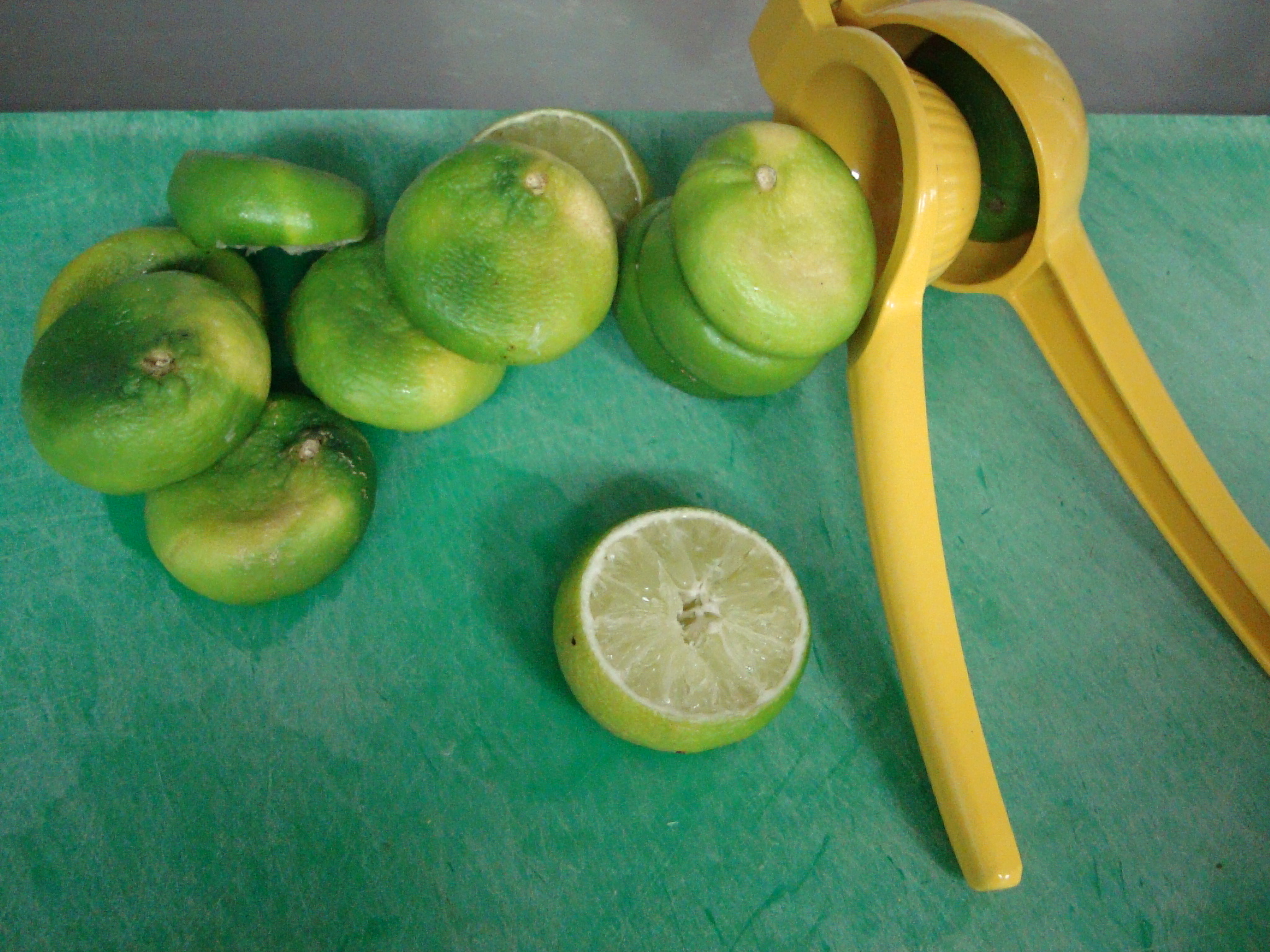
It’s important to always start with the freshest fish. If possible, make sure your main ingredient spent the previous night still swimming in open water. Frozen fish is a big and most definite NO when it comes to this minimalistic delicacy. Peruvian lime is bright green and small, with an intense acidity that is capable of impregnating the meat with flavor in just a few minutes. If you can’t find these limes, then regular limes, key limes or lemons will do. The onions you use should be red, and the chili peppers, limo (I have seen them only in Peru). In replacement, you can use habanero peppers or jalapeño peppers, or you can find Peruvian yellow chilli pepper paste in several grocery stores or order it online. Beware of the unpredictable heat of these ingredients. They can overwhelm an untrained palate if the amount used is not adjusted to your own taste. In replacement of Peruvian giant corn if you can’t find it fresh or frozen, (but of course, our corn is irreplaceable!), you can use white corn. Serve cold with a spoon…and provecho!
Hemos comido el cebiche en lima, preparado por el cocinero Wong, es una delicia, lo hace con lenguado fresco y al momento lo sirve, una delicia, lo comimos cuando viajamos de Valencia a lima, de los mejores que hemos degustado…








 Morena Cuadra


Hemos comido el cebiche en lima, preparado por el cocinero Wong, es una delicia, lo hace con lenguado fresco y al momento lo sirve, una delicia, lo comimos cuando viajamos de Valencia a lima, de los mejores que hemos degustado…